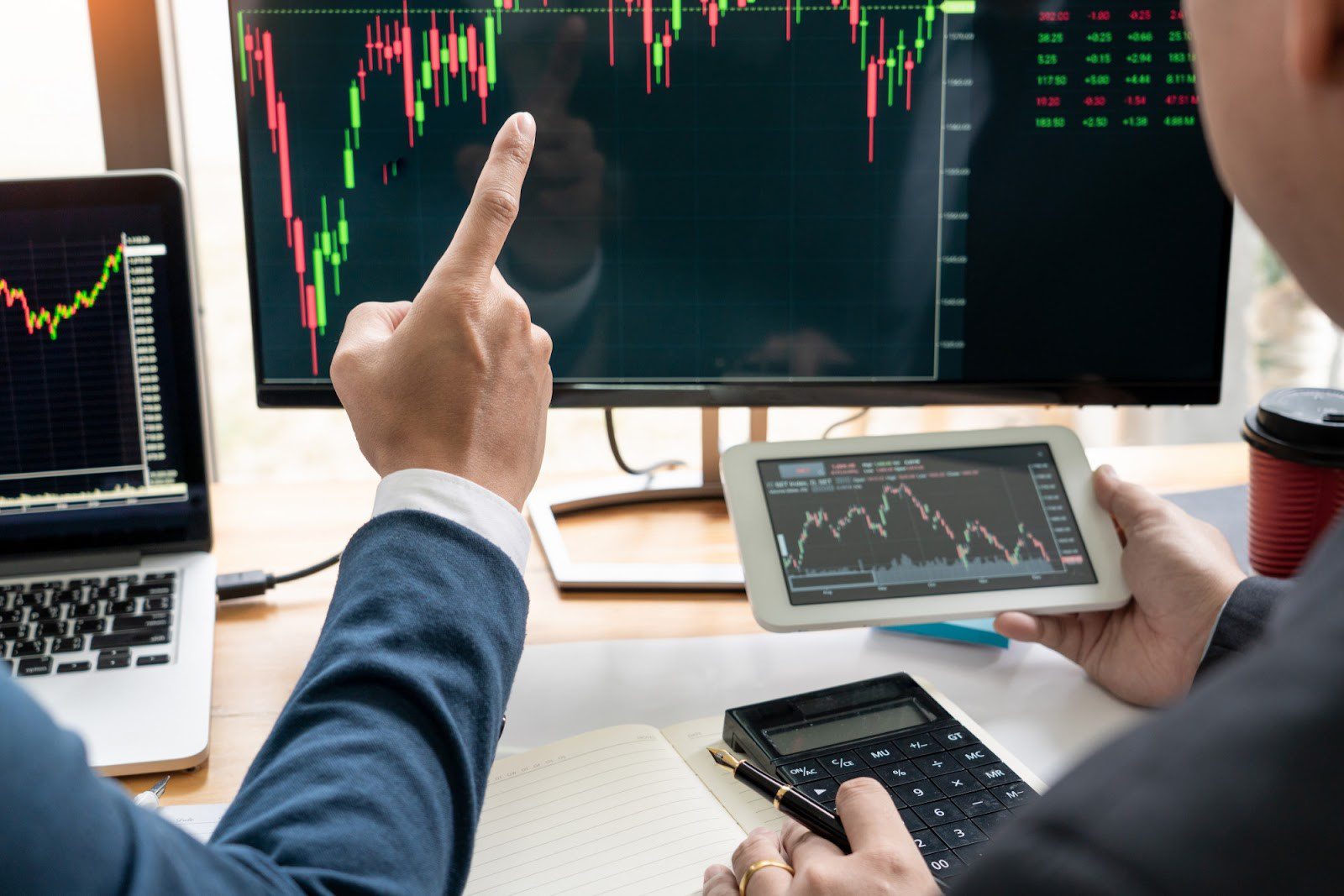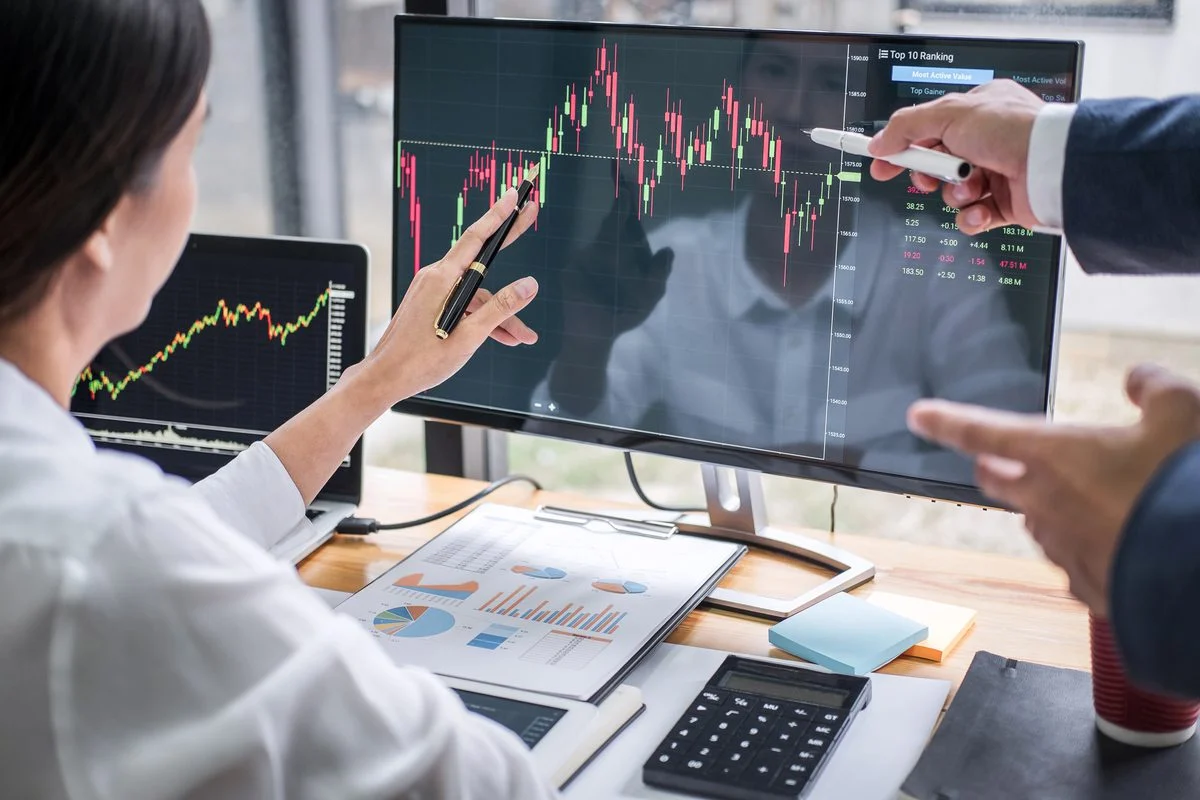
Forex trading, or foreign exchange trading, involves buying and selling currencies in the foreign exchange market. As the largest and most liquid financial market in the world, it draws participants from giant banks to individual traders. Understanding currency price fluctuations, market trends, and economic indicators are essential before considering forex trading as a potential profession.

The Skills Required to Excel in Forex Trading

Success in the forex market requires more than just knowledge of economics or finance. Key skills include analytical thinking, emotional discipline, and decisive action. Traders must be able to interpret complex data, make quick decisions, and manage stress effectively. Continual learning through trading courses, market analysis, and hands-on experience is crucial for staying competitive in this dynamic field.

Understanding the Market: A Foundation for Success

At the heart of a successful forex trading career lies a deep understanding of the market. This includes not just the mechanics of trading – such as spread, lot sizes, and leverage – but also a keen insight into global economic indicators, politics, and even psychology. Successful traders don’t just react to the market; they anticipate changes based on a thorough analysis of available data. This depth of understanding is crucial for making informed decisions and managing risk effectively.

The Importance of Risk Management in Forex Trading

One of the most critical aspects of forex trading is risk management. The ability to safeguard investments from significant losses is what distinguishes successful traders from those who fail. Using stop-loss orders, monitoring leverage carefully, and never investing more than you can afford to lose are prudent strategies that help manage risk.

Building a Sustainable Career in Forex Trading

Embarking on a career in forex trading can be exhilarating, challenging, and rewarding. Aspiring traders should start with a solid educational foundation, gradually building experience through practice trades or simulations before trading with real money. Networking with seasoned professionals and joining trading communities can provide invaluable insights and support.

Exploring the Financial Rewards and Challenges

Forex trading offers extensive financial rewards but comes with equally significant risks. The market operates 24 hours a day, requiring traders to adapt to an ever-evolving environment. Effective traders are those who learn to thrive under pressure, adapt strategies in real-time, and continually evaluate their performance.

Succeeding in a career in forex trading requires a combination of analytical skills, emotional discipline, and robust risk management strategies. While the journey is fraught with challenges, the rewards of mastering the forex market can be substantial. Whether trading full-time or as part of a diversified investment approach, it remains a viable path for those with the required skills and temperament.

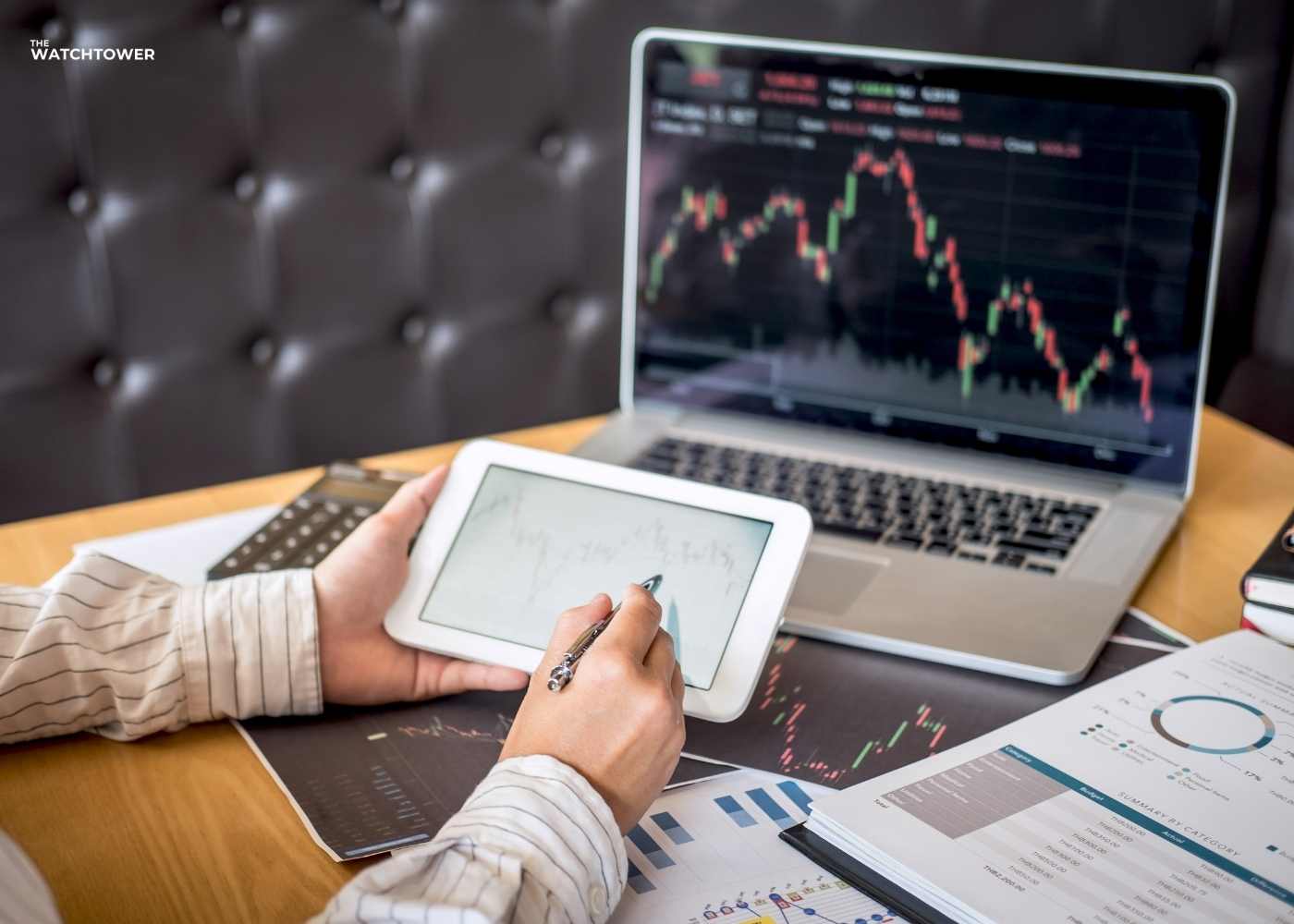
Travelling abroad requires savvy financial management, and a forex card is often the companion of choice for globetrotters. However, upon returning home, one might find themselves with leftover foreign currency on their card. Transferring this back into your bank account is an easy process, and understanding how to do it efficiently can save you time and money.

Step-By-Step Guide To Transferring Funds To Your Bank Account

One common question for returning travelers is how to move their unused foreign currency from a forex card back into their bank account. Here’s a step-by-step guide:

  • Log in to your online banking platform: This is where you manage your forex card. Most forex service providers have online platforms or mobile apps where you can initiate a transfer.
  • Check your balance: Before you start the process, check to understand the amount you have left on the card.
  • Select the option to transfer money: Look for the section that allows you to transfer funds from your forex card to a bank account. The terminology used might vary from one bank to another.
  • Enter your bank account details: You will typically need to provide your bank account number, the name on the account, and the bank’s IFSC code.
  • Confirm the amount to transfer: Enter the amount you’d like to move into your bank account.
  • Authorize the transaction: Before the transaction can be processed, you’ll likely need to authenticate it using a password or a One-Time Password (OTP) sent to your registered mobile number.

Factors To Consider Before Transferring

Before initiating the move, there are several factors to consider, such as exchange rates and transaction fees. If the leftover amount is small, it might not be worth transferring due to fees. Additionally, if you plan to travel again soon, it might be beneficial to leave the funds on the card.

Potential Pitfalls And How To Avoid Them

When you transfer money from a forex card to a bank account, there can be potential pitfalls, such as delays in processing or unexpected charges. Ensure you comprehend the terms and conditions of the service provider. If in doubt, contacting customer service can help clarify these details before you initiate the transfer.

Making The Most Of Your Forex Card

Forex cards are a convenient tool for international travelers. While the primary intention is to use the funds across borders, the ability to retrospectively transfer unused currency back into a domestic bank account adds to its flexibility. By following the correct procedures and staying informed of the associated costs, you can easily and efficiently manage your travel funds.

The foreign exchange (forex) market is the largest financial market in the world, with a daily trading volume exceeding $6.6 trillion. Given its vast size and global nature, it’s crucial to have a robust regulatory framework to maintain market integrity and protect traders. But who exactly is responsible for regulating forex brokers? What are the entities that ensure fair and transparent trading practices?

The Role Of National Financial Authorities

National financial authorities are the primary regulators of forex brokers. These agencies, which vary from country to country, establish rules and guidelines to oversee the operations of forex brokers within their jurisdictions. They ensure that brokers maintain adequate capital, follow strict compliance protocols, and protect client funds. In the United States, for example, the Commodity Futures Trading Commission (CFTC) and the National Futures Association (NFA) play a pivotal role in regulating forex brokers. Similarly, in the UK, the Financial Conduct Authority (FCA) sets stringent standards for broker operations.

Global Regulatory Harmonization

Given the international nature of the forex market, there is a need for regulatory bodies to collaborate and ensure harmonized standards across borders. Organizations like the International Organization of Securities Commissions (IOSCO) work towards creating a coherent global regulatory framework. IOSCO, comprising securities and futures regulators from over 115 jurisdictions, sets international standards and promotes cooperation among its members. This global collaboration helps mitigate regulatory arbitrage, where brokers might exploit the legal loopholes of less-stringent jurisdictions.

The Importance of Licensing and Registration

For a forex broker to operate legally, obtaining the appropriate licenses and registrations is crucial. Regulatory authorities require brokers to register and obtain a license, ensuring they adhere to the specific regulatory standards of their jurisdiction. This licensing process often involves meeting stringent criteria, including financial adequacy, transparent operational practices, and strong governance structures. A licensed broker provides an added layer of security and trust to traders, knowing that the broker operates under the scrutiny of a reputable regulatory body.

Educating Traders and Investors

An often-overlooked aspect of regulation is the role of educating traders and investors. Many regulatory bodies provide resources, information, and tools to help traders understand the risks associated with forex trading. They offer guidelines on how to choose a reliable broker, the importance of understanding terms and conditions, and recognizing potential scams. By promoting financial literacy, regulatory authorities empower traders to make informed decisions and protect themselves against unscrupulous practices.

The regulation of forex brokers is a complex but crucial aspect of maintaining a fair and transparent forex market. Through the efforts of national financial authorities, global regulatory cooperation, stringent licensing, continuous monitoring, and trader education, the integrity and stability of the forex market are upheld. As traders, it is essential to ensure that the forex broker you choose is well-regulated, offering you both security and peace of mind.

The world of forex trading is vast and dynamic, and one tool that traders often utilize to enhance their strategies is foreign exchange signals. But what exactly are forex signals, and how can they impact your trading journey?

Understanding Forex Signals: A Brief Introduction

Forex signals are recommendations or suggestions for entering a trade on a currency pair, usually at a specific price and time. They can also include information about take profit and stop-loss levels. These signals can be generated by experienced traders, professional analysts, or automated tools using algorithms and technical analysis. The goal is to help traders make informed decisions that increase the likelihood of profitability while minimizing risks.

Different Types of Forex Signals Available

Forex signals can be broadly categorized into three types: manual, automated, and social trading signals. Manual signals are crafted by expert traders or analysts who interpret market conditions and share their insights. Automated signals rely on algorithms and software to scan the market and identify suitable trading opportunities based on predefined criteria. Social trading signals, on the other hand, come from following the trades of experienced traders on social platforms dedicated to forex trading.

How Forex Signals Are Distributed to Traders

The way foreign exchange signals are delivered can vary, impacting their effectiveness and ease of use. Most commonly, signals are shared via email, SMS, or through dedicated apps and platforms. Some providers offer real-time notifications, allowing traders to act swiftly, while others might deliver signals with a slight delay. The immediacy and reliability of signal delivery can significantly influence whether a trader can capitalize on an opportunity or misses it altogether.

Evaluating the Accuracy of Forex Signal Providers

The accuracy of foreign exchange signals is paramount for a trader seeking profitable outcomes. When evaluating signal providers, traders should look at their track record, customer feedback, and performance metrics. Many reputable providers will have a history of successful signals and are transparent about their success rates. It’s also wise to seek any available trial periods or satisfaction guarantees, providing a risk-free way to assess the quality of the signals.

Incorporating Forex Signals Into Your Trading Strategy

Leveraging forex signals can be a valuable addition to your trading toolkit, but they should not be relied upon blindly. Successful traders use signals as one component of a broader, well-rounded strategy that includes risk management, analysis, and market knowledge.

Forex signals can offer significant advantages to traders by highlighting potential trades, but their effectiveness is contingent on the quality of the provider and the trader’s ability to integrate them into their approach. Whether you choose manual, automated, or social trading signals, ensuring they fit with your trading style and staying vigilant about their reliability is essential for leveraging them effectively.

When it comes to trading in the forex market, choosing a broker is a crucial step that can significantly influence your trading experience and profitability. With countless brokers vying for your attention, it can be overwhelming to make the right choice.

Research the Broker’s Reputation and Regulatory Status

One of the first steps in choosing a broker is to check their reputation and regulatory status. Regulation ensures that brokers operate within legal frameworks, protecting traders from potential fraud and unethical practices. Look for brokers regulated by reputable financial authorities like the Financial Conduct Authority in the UK, the Securities and Exchange Commission in the US, or the Australian Securities and Investments Commission. A broker’s reputation can often be gauged through customer reviews and industry awards, which provide insights into their reliability and service quality.

Evaluate the Trading Platform and Tools Provided

The trading platform is your portal to the forex market, so it’s essential to choose a broker that offers a user-friendly platform with the tools you need for analysis and trade execution. Platforms like MetaTrader 4 and MetaTrader 5 are favored for their advanced charting tools, customizable interface, and automated trading capabilities. Additionally, assess whether the broker provides educational resources, technical analysis, and customer support that aligns with your trading strategy and learning curve.

Consider the Range of Available Trading Instruments

When choosing a forex broker, consider the variety of trading instruments they offer. While some brokers focus exclusively on forex, others provide access to a broader range of assets such as commodities, indices, stocks, and cryptocurrencies. Diversifying your trading portfolio can mitigate risks and open up new opportunities for profit. Make sure the broker supports the specific instruments you intend to trade and offers competitive spreads and leverage options.

Analyze the Fee Structure and Account Types Available

Understanding the broker’s fee structure is paramount to ensuring that you don’t erode your trading profits through high costs. Brokers typically earn through spreads, commissions, or a combination of both. Pay close attention to additional charges such as withdrawal fees, inactivity fees, and overnight financing rates. Also, review the types of accounts available. Many brokers offer different account tiers catering to novice traders, professional traders, or those seeking Islamic accounts. Choose an account type that matches your initial capital and trading needs.

By thoroughly researching and evaluating these aspects, you can find a forex broker that complements your trading style and objectives. Remember, choosing a broker is not just about finding the lowest costs or fanciest platforms, but about ensuring a secure, supportive, and resourceful trading environment that aligns with your long-term goals.